Trump’s contractor order needs a deadline
Trump told contractors to alert the White House and their agencies when Congress asks about executive-branch work. The administration’s guidance should give officials five business days to identify which records to withhold.
On Nov. 20, President Trump gave federal contractors a new duty when Congress asks about their work or communications with the executive branch. They must immediately tell both the White House and the agency that hired them. Suppose a small supplier installs emergency radios for a federal agency and a House committee asks for invoices and delivery receipts. The supplier has to report the request even if it can answer the lawmakers’ questions by opening a folder. The agency that gets that notice is also the one that can consider ending the contract if the supplier disobeys the order.
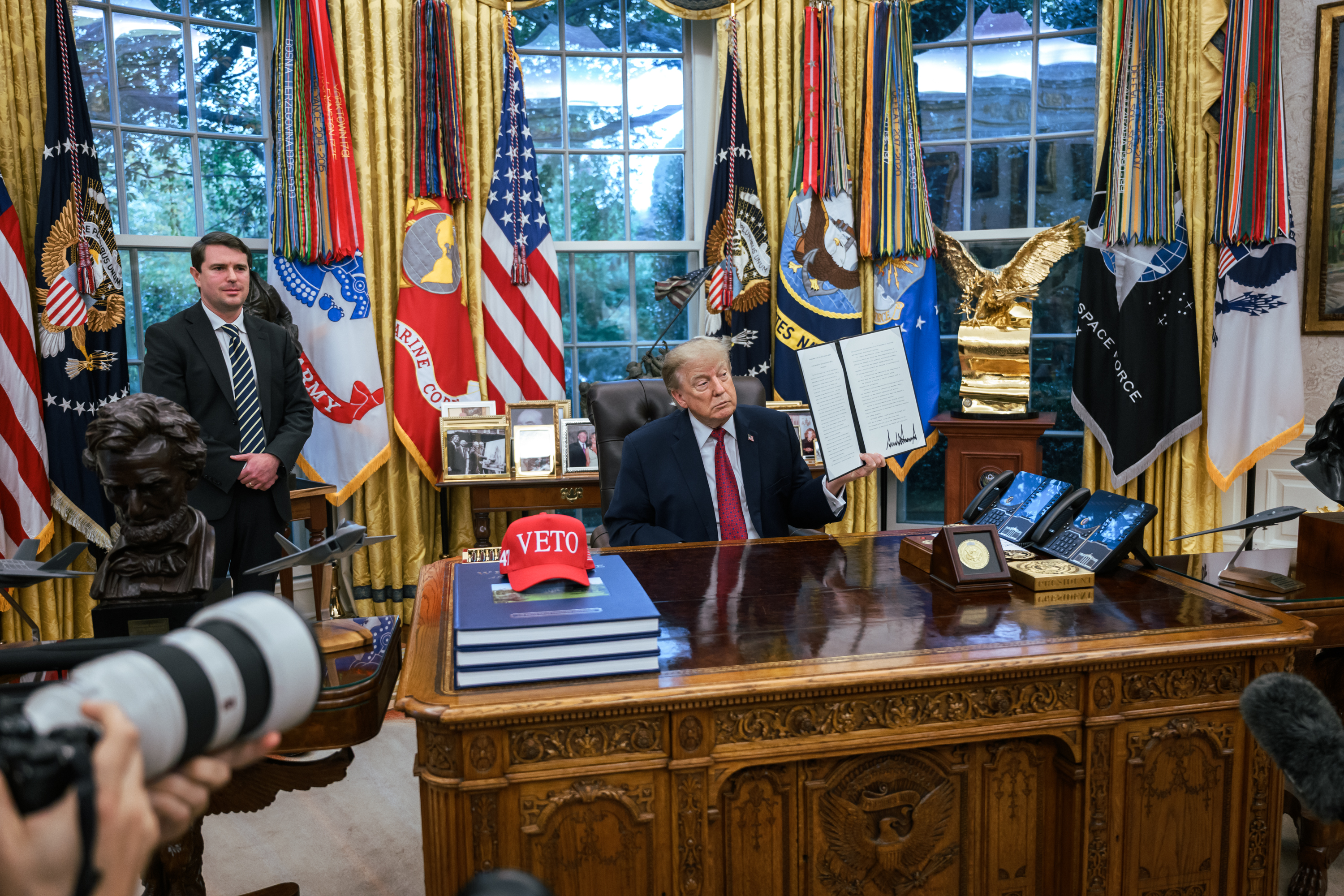
Photo credit
The order covers pending and future requests about contractors’ work or communications with the executive branch. Agencies are to coordinate with the White House and the companies on how to respond. Contractors must follow instructions to withhold communications the White House or the agency determines are covered by executive privilege. The requirements reach subcontractors on the federal work, and agencies are to make prime contractors responsible for their compliance. If a company fails to comply, agencies must consider what action is appropriate under existing law, including cancellation or termination of a contract, suspension or debarment from federal contracting.
Give officials time to make their case
Say the radio supplier also helped prepare a confidential briefing for the president on where the radio network might fail. A committee’s request for emails about the project could reach that briefing as easily as it reaches a note about a late shipment. The government should get a chance to protect sensitive communications before a company sends them out. The White House argues that if a contractor and the government defend the same records in separate proceedings, agency lawyers may spend taxpayer money on work the two sides could have coordinated at the outset. Agencies also need to be able to share sensitive details with the companies they hire to fix problems.
Notice gives officials the chance to review those records. The order sets no deadline for them to finish. While the agency deliberates, the person who signs the supplier’s reply to Congress has to decide what to send. The prospect of a contract penalty gives the supplier a reason to hold back the whole response until an official answers. A perfectly routine invoice can sit in that folder without an official ever having to defend keeping it there.

On Nov. 18, Rep. Robert Garcia of California, the ranking Democrat on the House Oversight Committee and its expected next chair, announced 12 preservation notices. One asked former Homeland Security adviser Corey Lewandowski to retain records connected to his government work and business activities, including material relevant to allegations that he steered contracts to allies. The notices ask recipients to keep records for possible investigations. Garcia had already asked a contractor to turn over documents in the same line of inquiry. In April he wrote to Salus Worldwide Solutions seeking a list of the subcontractors it had engaged or contacted for Homeland Security contracts, along with communications about its efforts to secure the work.
The White House has been preparing for the new Congress, where Democrats will take both chambers in January. In a separate Nov. 16 memo, White House Counsel Will Scharf told agencies to get clearance from his office and the legislative affairs office before agreeing to an employee’s appearance before Congress, Axios reported. Before the election, lawyers who handle congressional investigations told The Washington Post that companies were already checking their files and consulting counsel in anticipation of inquiries. Friday’s order gives those lawyers another question to settle. If the administration tells a company to hold back a document and Congress later subpoenas it, who will defend the privilege claim if the dispute goes to court?
Price the obligation before asking for bids
Before the radio supplier bids on its next contract, its owner has to decide what to set aside for compliance and whether the job is worth taking. A large incumbent can give the work to the lawyers it already employs. A small supplier may have to hire outside counsel to answer a request, or to make sure the subcontractor that installs its equipment has followed the same instructions. The less predictable the review, the harder it is for the owner to price that obligation when bidding.
Trump’s own procurement officials understood the problem in June. Their proposed overhaul of the Federal Acquisition Regulation said the supplier base had shrunk over two decades, especially among small businesses, and warned that high compliance costs can shelter incumbents. They reported that roughly 45 percent of federal contract dollars in fiscal 2025 went to awards made without competition or to competitions that drew a single offer. When qualified suppliers decide federal work is too costly to pursue, the taxpayer has fewer bids to compare.
Put the decision in writing
The order puts the Office of Management and Budget in charge of developing implementation guidance. It should give the government five business days after notice to identify the records it wants withheld, with an earlier response when a lawful production deadline requires it. By then, one official at the contracting agency should tell the company and the committee in writing which documents the government wants to withhold and why. The agency can coordinate with the White House and use secure channels when necessary. The guidance should protect contractors from sanctions under the order for sending legally shareable records the government leaves unclaimed at the deadline. If officials need longer to review a large request, they should ask the committee for a specific extension for the records still under review and let the rest go on schedule.
The guidance should also let a prime contractor send both the White House and the agency a single notice on behalf of every firm covered by the same request. Give the prime and its subcontractors a dated receipt so each company can show when the government’s time to respond began.
When Congress checks how the order is working, Garcia should ask for the original notice date, the stated grounds for each claim and the date the remaining records were produced. For every extension, ask how many records were eventually released without a privilege claim. Count how many days Congress waited for the records no one ended up claiming.
Sources
- White House · Executive Order 14438
- White House · Rationale for the new order
- Reuters · The contractor order and possible subpoena disputes
- Axios · Earlier White House memo about agency testimony
- The Washington Post · Companies preparing for oversight in November
- House Oversight Democrats · November 18 requests to preserve documents
- House Oversight Democrats · November preservation letter to Corey Lewandowski
- House Oversight Democrats · April request for Salus subcontracting records
- Federal Register · Proposed procurement rules and supplier competition