Who gets to measure the dust coal miners breathe?
Democrats won Congress days before mine regulators proposed changing how they enforce the silica limit. Keep the limit, and let mines change how they test only if workers are just as well protected.
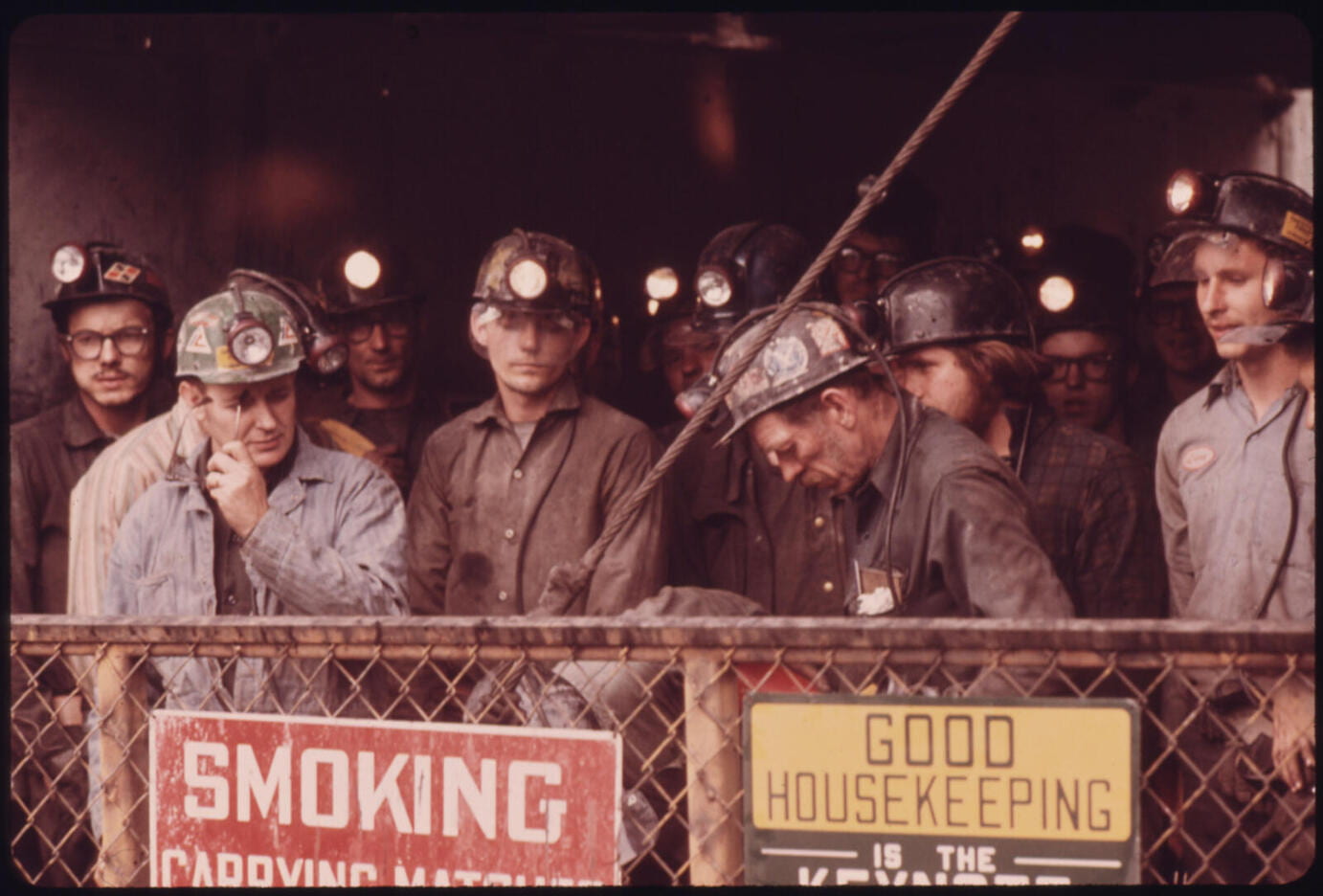
Photo credit
Gary Hairston told the Associated Press last year that he used to tape over his dust monitor. He was working in West Virginia coal mines and feared losing his job if he turned in a bad reading. He says he left the mines sick at 48. I’d start by asking what would make it safe for the person wearing the monitor to turn it in untampered with.
Democrats won the House and Senate in the November midterms. A week later, the Mine Safety and Health Administration unveiled a proposal to change the way it would enforce a silica dust rule adopted in 2024. Donald Trump will still be president when the new Congress sits in January. Democrats can put the agency under oath and write a bill. Trump can veto the bill. I’d start with one a Republican from a coal state could vote for without having to sign on to the Democrats’ energy policy.
Silica here is the fine dust a machine makes when it cuts into rock. As crews work thinner seams, they can cut more of the surrounding rock to reach the coal. The small particles can get deep into the lungs. The 2024 rule set a limit of 50 micrograms of silica per cubic meter of air, averaged over eight hours. Both the 2024 rule and the new proposal use 25 as the threshold for added precautions. The appeals court stayed the earlier rule’s compliance deadlines, and the agency says it is still enforcing the older standards while the newer requirements are on hold.
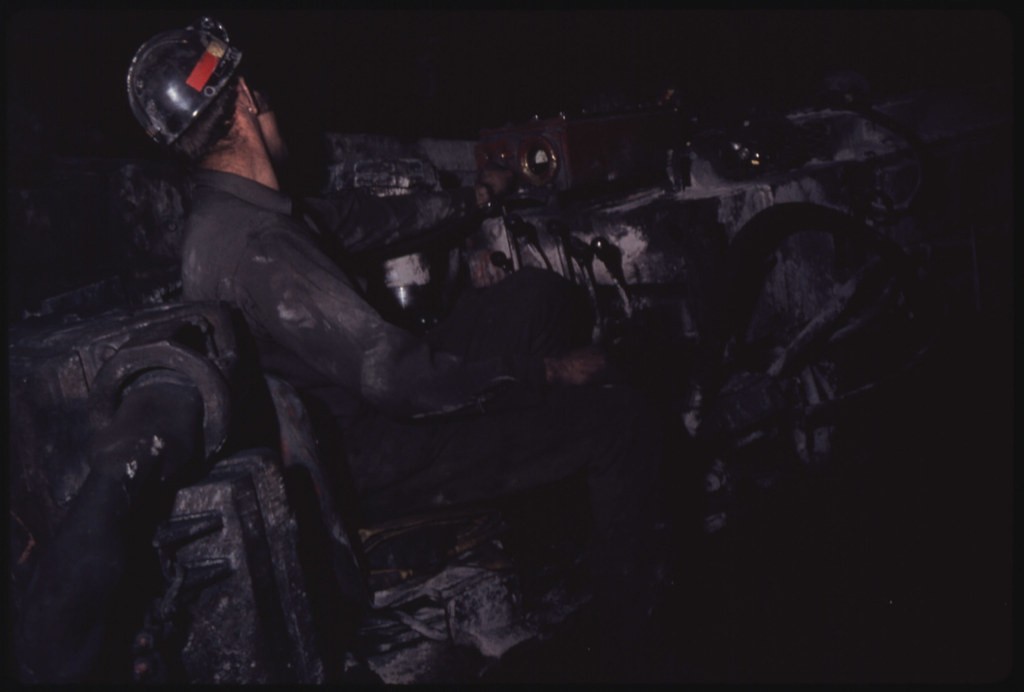
Photo credit
Washington’s proposal leaves 50 on the page. It would let operators test as often as needed to assess exposure, in place of the earlier rule’s prescribed sampling schedule. It would also reserve citations for exceeding the silica limit for the agency’s own samples. An operator whose result exceeds the limit after accounting for measurement error would still have to report it, fix the problem and test again. The distinction matters at a mine where a federal inspector happened to visit on a day the crew was cutting less rock. The sample the company took on the harder shift might be the better evidence of what the crew breathed.
The United Mine Workers of America also objects to the way inspectors would interpret their own tests. The proposal spells out an allowance for measurement error of 21 percent. The agency already accounted for sampling error in enforcement. Under this proposal, an inspector’s reading of 60 against a limit of 50 would still fall short of the cutoff for a citation. I’m willing to hear from the lab about how certain it is. The miner should see the reading and know what the employer did that day, even when the evidence falls short of a citation.
The National Mining Association told FRONTLINE that the draft appeared to address concerns it had raised for years. The Labor Department says operators will be able to direct more testing to jobs likely to expose workers. I can see the case. If the agency can show that two scheduled samples tell us less than one taken when a crew cuts through rock, I’ll take the better sample. I want the agency to show that on actual shifts, across different mines. The agency puts the cost of packing, shipping and analyzing a sample at $160. The company can save that money by taking one fewer sample. I want to know which shift will go untested.
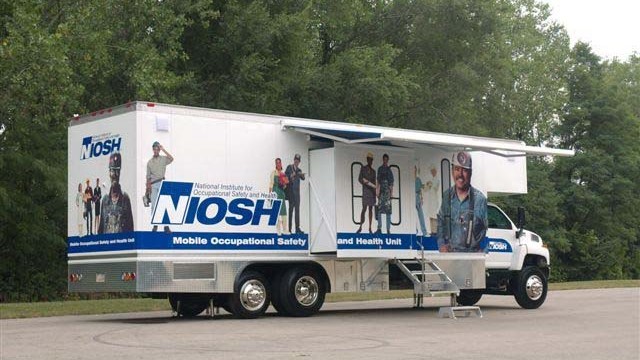
Researchers screening working underground miners in central Appalachia found black lung in roughly one in three of those with at least 25 years in the mines. That figure came from miners who were screened, and the damage might have begun years before their latest job. The industry points to past exposure, fairly enough. That is also what makes it hard to judge a new rule by waiting to see who gets sick. Ask inspectors what the crew was cutting when they took the sample. We could have that answer before an X-ray tells anybody what the shift cost.
Fifty-eight years ago today, the No. 9 mine near Farmington, West Virginia, exploded. Twenty-one miners escaped. Seventy-eight died. The explosion was the kind of disaster people could watch on the evening news. Lung disease had been taking men out of coal mines a little at a time, for years. The following February, miners in Raleigh County walked out over black lung. The strike spread across West Virginia, with roughly 40,000 miners stopping work without authorization from their national union. They wanted the disease recognized and compensated.
Photo credit
West Virginia made black lung compensable that spring. In December 1969, Republican President Richard Nixon signed a federal law that tightened mine inspections, set dust requirements and provided benefits for miners disabled by black lung. The law came through a Democratic Congress. It took miners organizing against the preferences of their own leaders to get there. I’d keep that part of the history in mind when the next hearing starts with a company executive and a national union officer. A worker who has just finished a shift can tell the committee which samples are worth asking for.
Congress added protections in the 1977 Mine Act that still apply. A miners’ representative can accompany a federal inspector underground. A representative, or a miner at a site without one, can request a special inspection when there are reasonable grounds to believe there’s a violation or an imminent danger. The copy of the complaint that goes to the company leaves out the miner’s name. Federal law also bars retaliation for bringing a safety complaint. How long does it take the agency to get to the mine after a call? How many shifts does a worker miss while a retaliation complaint sits unresolved?
A working coal miner with signs of black lung on an X-ray can opt for a lower-dust job or for better dust controls in the current job, with protections for the miner’s regular rate of pay. In one study, fewer than one in four eligible underground miners exercised that right from 2016 through 2022. The researchers cited earlier work on fear of retaliation and lost career prospects. Ask workers who declined what they thought they stood to lose. The official notice can tell a miner what the law promises. It can’t tell Congress why so many leave the form unsigned.
Photo credit
I’d use the first hearing to get those answers. The Senate’s November spending draft would hold the mine safety agency at $388 million, level with the previous year. When its next spending bill comes up, Congress should ask how many inspectors actually take silica samples, how many mines got sampled on a rock-cutting shift and how long labs take to report a result. Fund the gap if it takes more inspectors or lab capacity. If the agency already has the money and hasn’t filled the jobs, ask for the vacancies and the date it expects people to start.
There’s a legislative deal I’d take. Give companies latitude to replace a scheduled test with one shown to be at least as useful. Write the 50 limit into law. Make companies tell the crew when a test comes back high and correct the problem. Let federal inspectors cite a mine using a company sample once they verify how it was collected and analyzed. Give miners’ representatives, including at nonunion mines, a way to flag shifts that got missed. I’d require the agency to explain in writing when it decides against retesting after a documented high reading. An operator ought to be able to challenge faulty evidence. A miner should be able to challenge a test that never happened.
The agency has set a December 15 public hearing on the proposal and will take written comments through January 11. That puts the comment deadline after the new Congress takes office. Its committees can already ask for comments and hearing testimony to be included in their record. I’d put the narrow bill to a vote on its own. A senator can support more coal leases or fewer coal leases and still say what should happen when a dust reading comes back high. If the White House objects to the bill, let the committees put the disputed requirement and the agency’s alternative in front of the people who would have to work under it.
At a congressional oversight hearing, I’d ask for one record from a real mine, with the worker’s name removed. Put the time the lab reported a high reading next to the time the crew was told. Then ask how many shifts the miner worked at the same machine before anybody checked whether the fix had worked. I’d put that last number in the agency’s report to Congress. Report the figures separately for company samples and federal samples. If crews wait longer after a company test, call in both the operators and inspectors and ask who had the authority to take the crew off the machine.
Sources
- The Associated Press calls control of Congress after the midterms
- Associated Press interviews with coal miners including Gary Hairston
- The 2024 silica rule
- The Labor Department’s November announcement and explanation of the stay
- The November proposal, its hearing and its comment deadline
- Justin Hicks’s FRONTLINE reporting on industry and miner advocates
- Eric Douglas interviews Howard Berkes on the proposal
- The United Mine Workers’ response to the November proposal
- The new study of black lung in working underground miners
- Berkes and Hicks on the industry’s response to the screening study
- The federal mining agency’s account of the Farmington explosion
- West Virginia State Archives on the 1969 black lung strike
- The Labor Department’s history of the 1969 coal mine safety law
- Miners’ inspection and representation rights under the Mine Act
- Retaliation protections under the Mine Act
- Federal rules for coal miners who opt for lower dust exposure
- NIOSH researchers on low participation in the program
- The Senate’s November draft of the mine safety budget
- The Senate committee’s explanation of the spending draft
- NIOSH’s coal miner screening program