Margaret Atwood’s books ask who gets to keep the record
Atwood brings her memoir to the Miami Book Fair on Nov. 21. A Florida appeals ruling could put school board members under oath about why they removed library books.
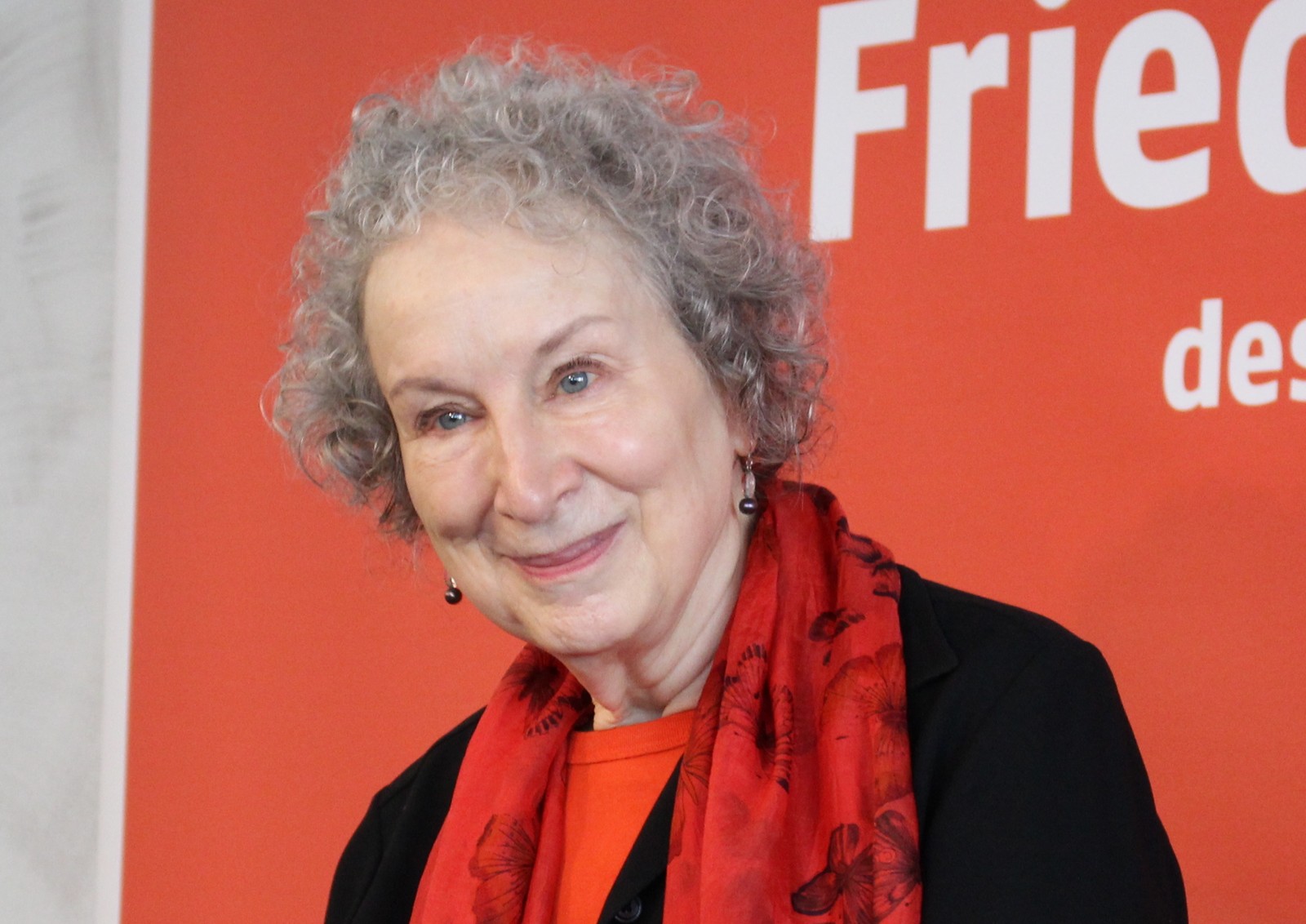
Photo credit
Margaret Atwood is scheduled to take the stage at the Miami Book Fair on Saturday with her daughter, Jess Gibson. Atwood is bringing Book of Lives, her memoir. Gibson is bringing The Good Eye, her first book of stories. Gibson told ArtburstMiami she had spent years trying to have a different career from her parents. She became an art historian and published her first collection at 49. A reader who has known her chiefly as a child in Atwood’s account of the family can now buy a book with Gibson’s name on the front.
In The Handmaid’s Tale, a woman gets her voice onto tapes somebody may find. In The Testaments, a woman who helps run Gilead writes an account that could undo it. Last month, a federal appeals court had to answer a narrower question in a dispute over Florida school libraries. Could the people who voted to take books off the shelf be asked to explain their votes under oath?
Offred on tape
Offred’s story in The Handmaid’s Tale arrives in a voice close enough that the man who calls himself her Commander can seem remote in his own house. You know which parts of an encounter she goes over again in her head. You also know how much she has to guess about the people around her. It’s unnerving to reach the historical notes at the end and learn how that voice reached you. Scholars have assembled it from recordings. The tapes carried songs as well as speech, and their order had to be reconstructed.
Atwood was living in West Berlin when she began the novel in 1984. In an introduction to a later edition, she remembers visits to countries behind the Iron Curtain, where people changed the subject or found indirect ways to give something away. A person could point to a building and tell you who used to own it. The sentence might end without an explanation of where they went. That way of hearing a conversation helps explain how the book works. Offred notices who speaks freely and who needs to know whether anyone else is in the room. To a historian with the benefit of distance, the silence may just be a gap in the record.
The end of the novel puts the scholars in a position to fill those gaps and shows how they use it. They can speculate about the Commander’s identity. They have much less to say about what became of the woman whose tapes they have just spent a conference session discussing. The reader has had the better part of a novel in her company. Hearing the experts turn their attention to the Commander can feel like losing her a second time.
Who answers for a vote in Florida?
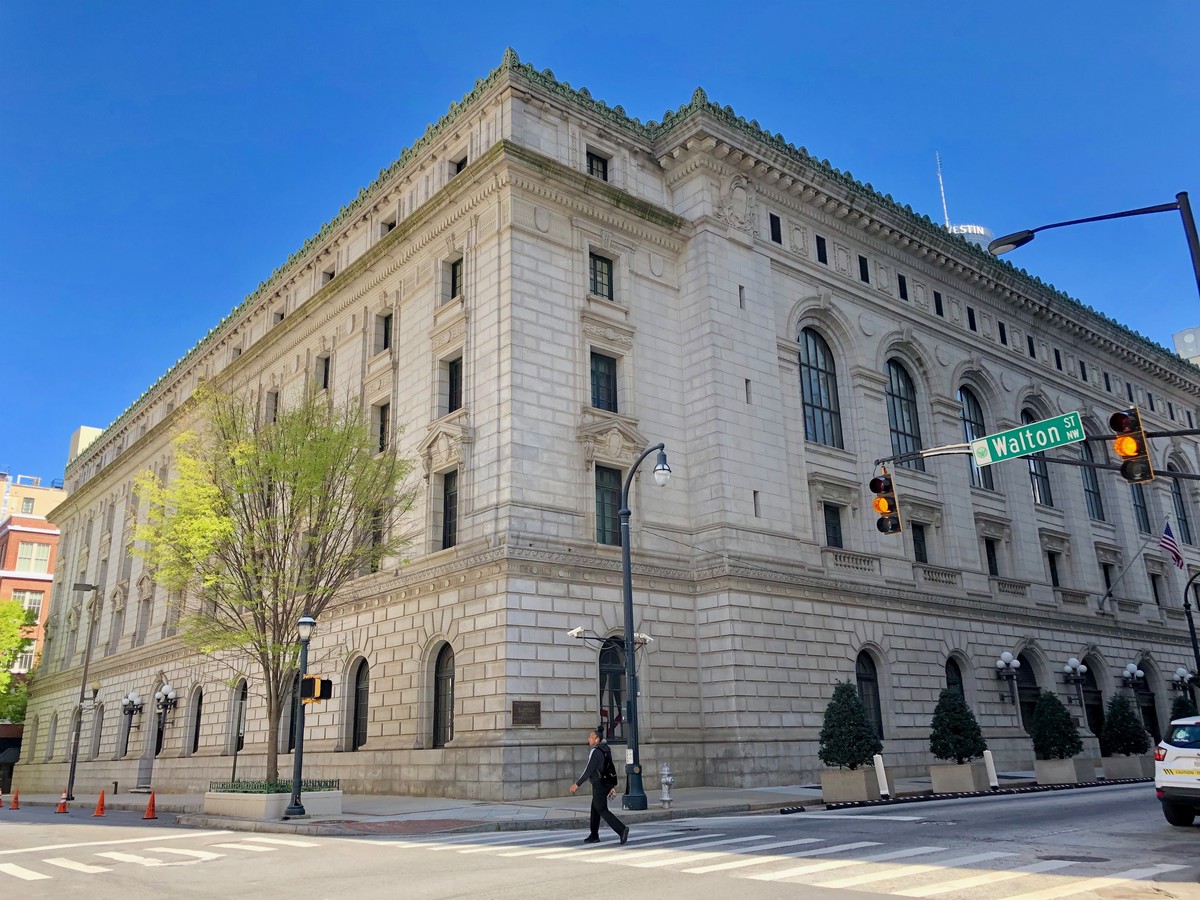
Photo credit
The Escambia County school board’s case began with complaints about individual books. A teacher objected to titles on grounds that included sexual content and how they dealt with race or LGBTQ people. According to the appeals opinion, a review committee advised against removing books the board went on to pull. Parents, authors, PEN America, and Penguin Random House challenged removals and restrictions in federal court. When their lawyers sought to question board members, the members argued that legislative privilege protected them from being made to testify about their votes.
On Oct. 19, a divided panel of the Eleventh Circuit upheld a lower court’s refusal to block that questioning on grounds of legislative privilege. The distinction was between adopting district policy and deciding whether particular books violated the rules the board already had. The ruling allows the lawyers to pursue questions about the latter. It leaves room for other objections to the depositions and leaves the legality of the removals for the case to resolve. Chief Judge William Pryor dissented. He saw the votes as policy choices by elected officials and thought the board’s judgment about library books deserved legislative protection.
Jay Waagmeester reported for Florida Phoenix that a seven-year-old student had already been deposed after the district argued that he should be. The child wanted access to And Tango Makes Three, a picture book about two male penguins raising a chick, WUSF reported in July. PEN America’s legal director, Mara Gassman, told Publishers Weekly that the plaintiffs wanted to get back to discovery and question the board members. The adults who voted on what to remove now have less room to refuse questions about those decisions.
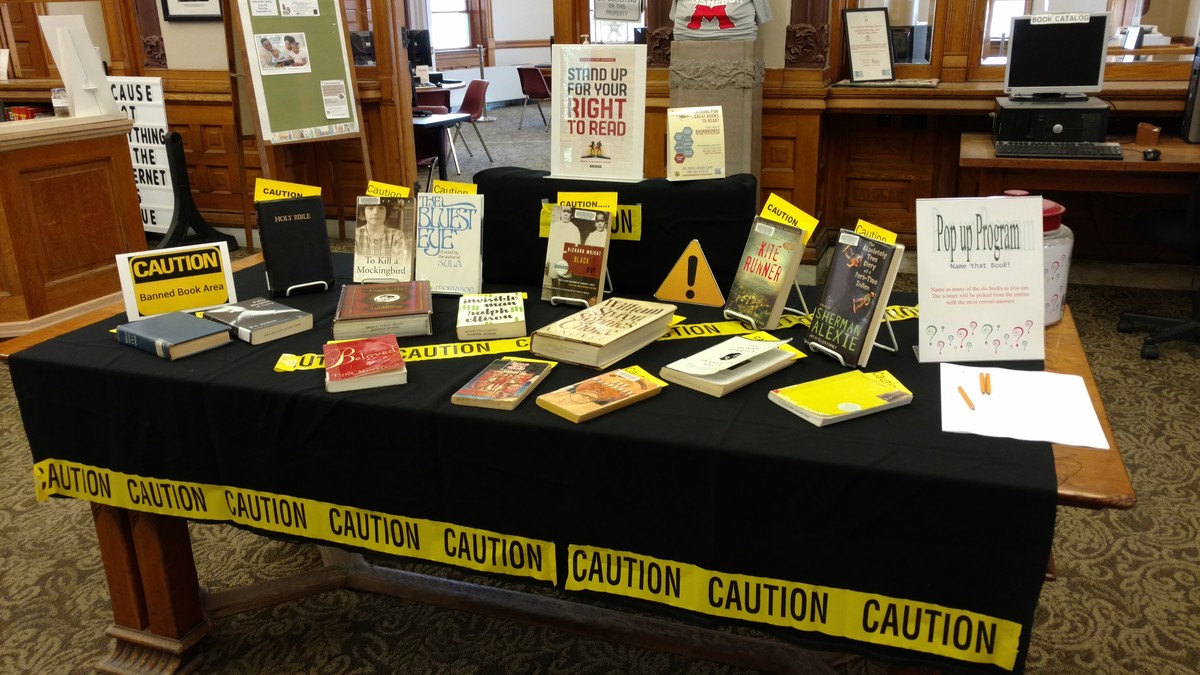
Photo credit
PEN America logged 21 instances of restrictions on The Handmaid’s Tale in U.S. public schools in the 2025–26 school year. Its definition includes some temporary removals and limits on which students can get a book. The count describes school access across the country. The Escambia ruling concerns the board’s votes on titles in that lawsuit. A family with the money and a nearby bookstore can still find Atwood’s novel. A teenager whose school library is the place she gets her books can have a very different experience of the same decision.
What Aunt Lydia leaves behind
One of Aunt Lydia’s first observations in The Testaments is that people leave offerings at her statue. She pockets the oranges. She writes about this in a room at Ardua Hall, in a library that survived Gilead’s book burnings. Atwood gives us both ways a future reader might encounter the same woman. There’s the statue, with its expression of civic virtue, and there’s the account of the woman who knows how it got there. The oranges are the kind of thing she can tell you while nobody is taking minutes.
The sequel gives two younger women their own accounts as well. One grew up inside Gilead and asks the reader to leave her some room to miss the kindness she knew as a child. That request makes it harder to turn the women who lived there into examples in somebody else’s argument. It matters that Aunt Lydia has a voice too. She knows things the girls couldn’t see, and she has reasons to shape what she leaves behind. A record worth keeping can make its own author uncomfortable.
In Cat’s Eye, the painter Elaine Risley goes back to Toronto for a retrospective and finds herself thinking about the girls she used to know there. In Book of Lives, Atwood goes back to the school year that helped give her that novel. It’s a good pair to read together. A reader who knows the novel can see what Atwood made from a stretch of childhood that she now describes in her own name. There’s a chance at the fair to hear Gibson say what she remembers of a household the memoir’s readers know through her mother.
If the board members’ answers enter the public record, a parent could put the review committee’s recommendation for a particular book beside the explanation from someone who voted it off the shelf.
Sources
- Miami Book Fair program for the Atwood and Gibson conversation
- Michelle F. Solomon’s interview with Jess Gibson for ArtburstMiami, via WLRN
- Margaret Atwood’s memoir, Book of Lives
- Publisher’s description of Cat’s Eye
- Atwood’s introduction to The Handmaid’s Tale
- Atwood on the events behind The Handmaid’s Tale and The Testaments
- Excerpt from The Testaments
- The Eleventh Circuit’s October 19 opinion in the Escambia case
- Jay Waagmeester on the Escambia ruling and the earlier student deposition, for Florida Phoenix
- Nathalie op de Beeck’s interview with PEN America’s legal director in Publishers Weekly
- PEN America’s school-library book list for 2025–26
- PEN America’s report and counting method
- Douglas Soule’s July reporting on the student’s deposition, for WUSF