The Séance of Blake Manor Makes Every Minute Evidence
In Spooky Doorway’s gothic mystery, questioning a witness costs minutes. Spending them is more satisfying than solving the cases.
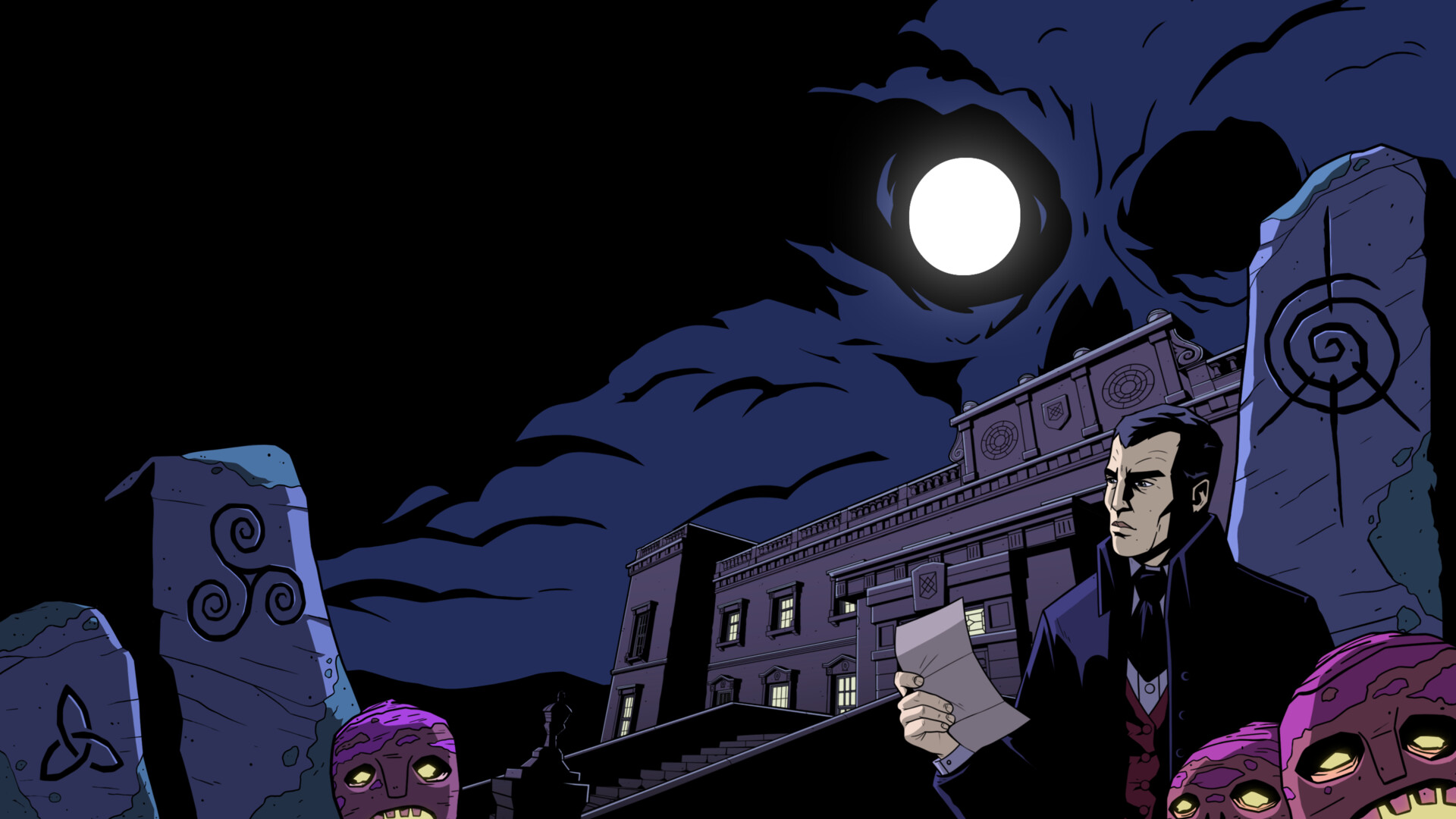
The Séance of Blake Manor makes a better investigation than a puzzle. Putting together a suspect’s motive is often straightforward. Deciding whether to press them about it now, or save those minutes for a talk you can’t afford to miss, is much more interesting. Spooky Doorway makes time scarce without making you hurry through the hotel. You can walk down the wrong hallway for free. The danger is finding something interesting on the way and deciding it can’t wait.
The guests don’t wait for you
Private investigator Declan Ward comes to a remote Irish hotel in October 1897 to find Evelyn Deane. The guests are there for a grand séance on All Hallows’ Eve, and not all of them agree that Deane is even missing. You listen at doors, read letters, pry into private rooms and put what you learn to people who may have good reasons not to tell you the truth. Even asking a guest about their plans doesn’t guarantee a reliable answer. Where you actually find them can tell you more than what they said.
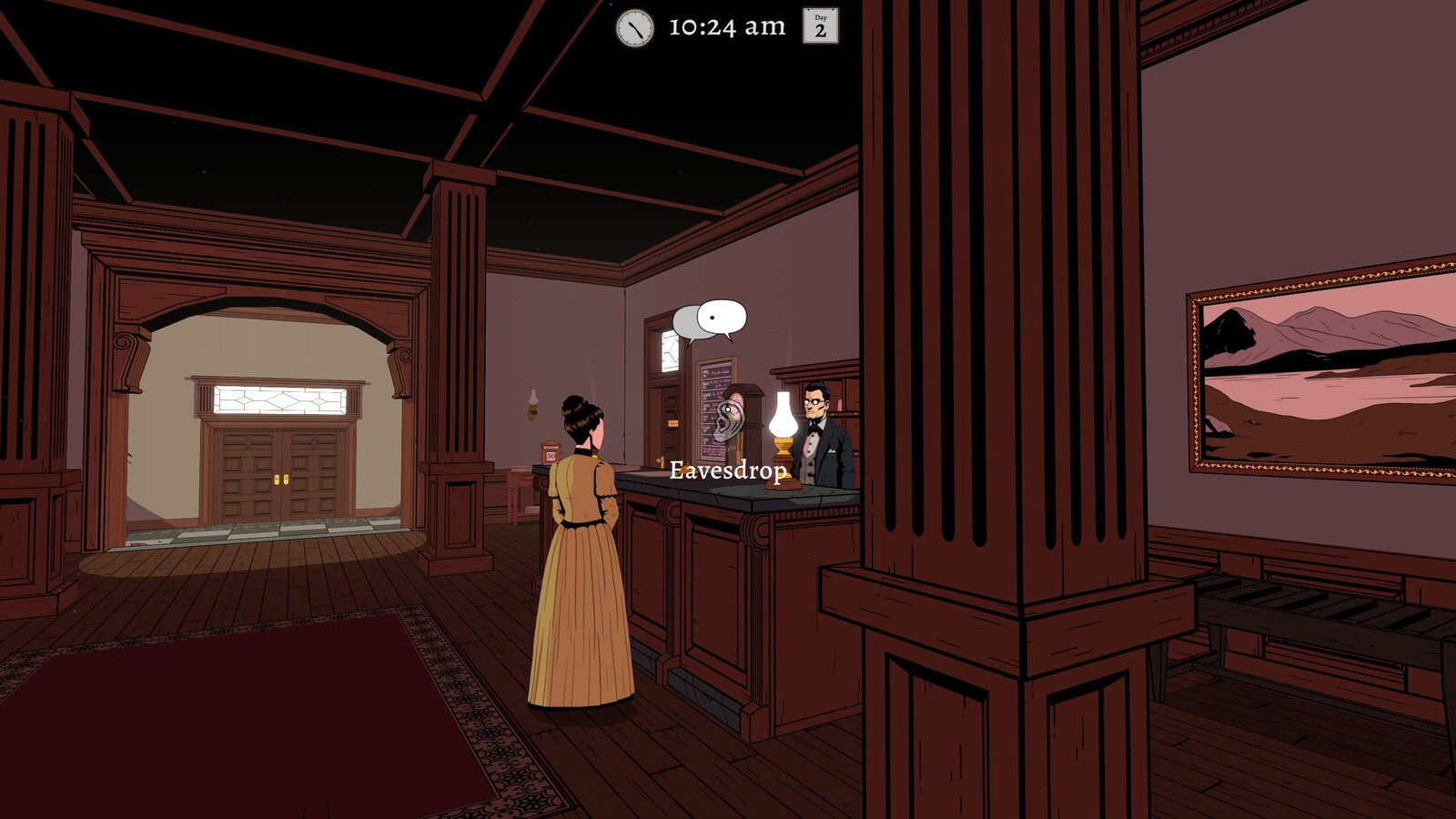
Image credit
Spooky Doorway / Raw Fury, official press kit.
Say a talk on local folklore is about to start in the drawing room. A guest in the hall might know what the letter you just found means. Walk past them and you can make the talk without spending any time on the way. Stop to ask about the letter and the clock moves. If you miss the talk, the letter will still be in the case file. You can read it again without losing a minute, then check the schedule for another lead.
Guests move on the hour. When someone leaves the room you meant to search, check where they’re going. You might be able to catch them later and use the time you have now to look through the room. That’s enough leeway to follow a promising clue without planning the whole evening around the clock.
A case file can’t think for you
The maps, hourly schedule and library research desk turn a building full of people into something you can investigate without keeping everything in your head. The game still makes you find out where people mean to be. It just gives you somewhere to put the answer. There’s a cost to introducing all that machinery early: the first few letters and keys can feel like homework when each seems to come with another screen to learn. The separate evidence boards make more sense once you have a case you care about. It’s easier to go back to a particular guest’s story than to sift through everything the hotel has told you.
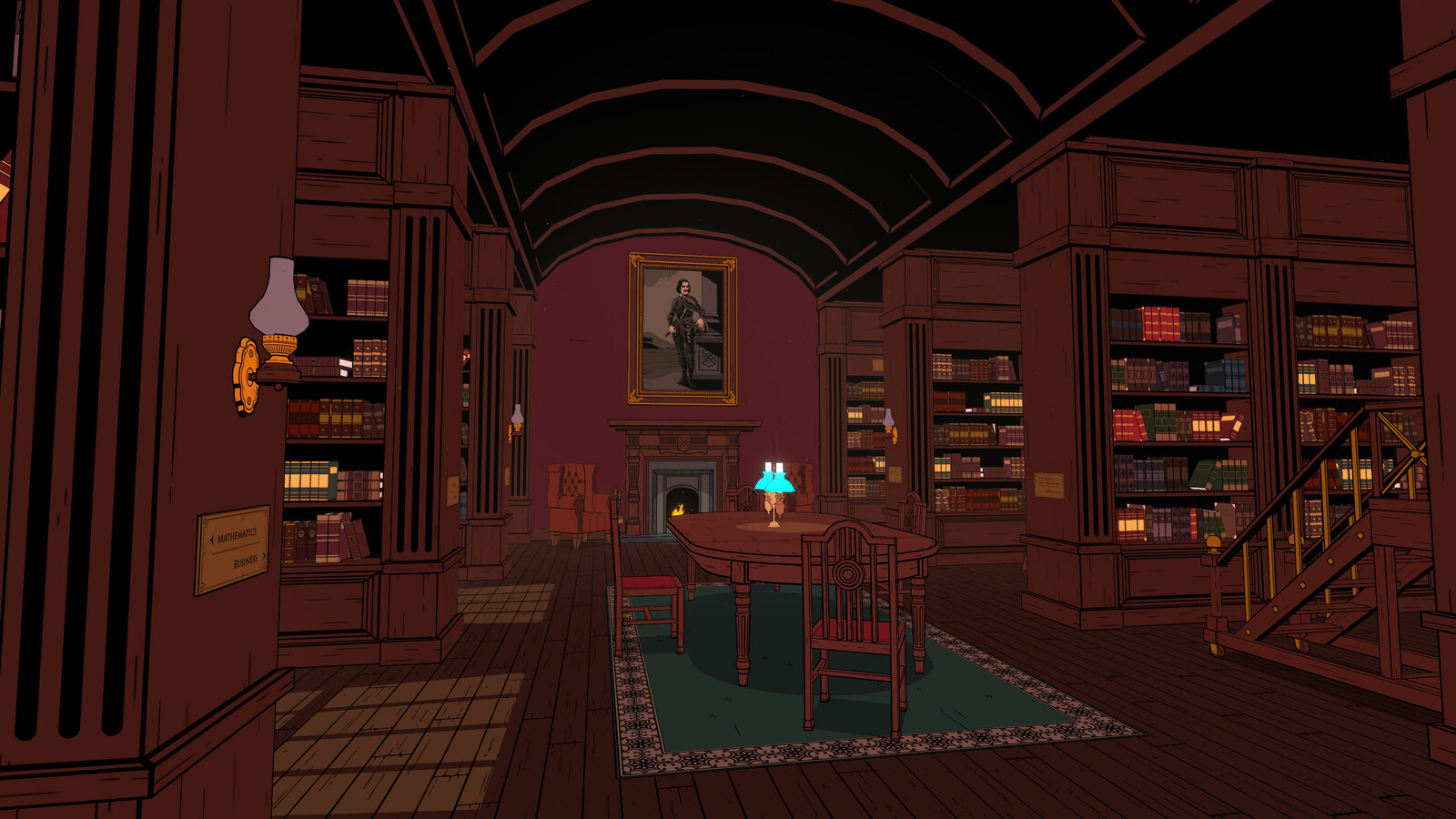
Image credit
Spooky Doorway / Raw Fury, official press kit.
Ward has to assemble a hypothesis before he can put it to a suspect. The board can refuse the deduction until you find one last piece of evidence, even after you’ve worked out the motive. That can mean going back to rooms you thought you’d searched. On PC, changing areas takes you through a loading screen. A trip can cost nothing on Ward’s clock and still be the part of your evening you wish you’d spent elsewhere.
The upside of that same structure is that you’re not expected to show every piece of evidence to everybody. The game narrows who can be asked about certain findings and offers hints about what would move a case forward. That’s useful when you’re interested in what a scrap of evidence means, not in trying it on every person in the hotel. It’s less satisfying when the game has already helped you narrow the possibilities and then won’t let you commit to one. The freedom here is mostly in choosing which thread to pull next, not in declaring how much proof is enough.
The hotel is more than a suspect list
The character writing is a better reason to pursue a side case than the difficulty of solving it. A local practitioner watching over the séance and a Brazilian guest tracing her family history aren’t taking the same gamble by attending. Their reasons to take the supernatural seriously make for more interesting conversations than a string of alibis. The hotel is built over an older sacred site, and the divide between its wealthy guests and the people who serve them puts a sharper edge on the lavish rooms. The story’s interest in the damage done by colonialism gives the old building a history beyond whatever might be haunting it this week.
The muted comic-book art is especially good at making the hotel feel like a place where you might have missed something. In first person, dark corners draw the eye before there’s any reason to search them. Important discoveries get their own illustrated panels, switching from a space you can inspect to a moment worth sitting with. The restrained use of apparitions suits that visual language. If something moves at the edge of the frame, it stands out because the game hasn’t asked you to flinch every time you open a door.
The investigation keeps some room for curiosity after you know who you suspect. There are optional discoveries and multiple endings, and the fairly free order of conversations and puzzles leaves room to pursue other leads on a return visit. But the cases don’t all become more satisfying just because there are more of them. The game’s strongest scenes are often the ones that make you want to know what happened to somebody, rather than the ones where the answer slot finally opens.
Buy it if following people’s stories sounds as appealing as pinning down the culprit. If you mainly want a deduction game that will accept a well-founded guess before you’ve collected every clue, this is a less natural fit. For a short evening, give yourself one job: establish where a witness will be or work out which case a new letter belongs to. After an interruption, start at the board for that case rather than rereading the whole investigation. Leave yourself a note with a name, a room and an hour.
Sources
The game debuted on PC on October 27, 2025, and reached Switch 2, PS5 and Xbox Series X|S on October 27, 2026. The console versions are not evaluated here.
- Kerry Brunskill, PC Gamer (PC review) · Guest schedules, the clock and the case files
- Keith Stuart, The Guardian (PC review) · Drawing-room talks and the manor’s history
- Adam Sharman, GameCritics (PC review) · Time budget, evidence requirements and PC loading screens
- Official release listings: Steam, Nintendo, PlayStation, Xbox